Body of work / Transportation

Cubic ITS

Enterprise design systems and UX for transportation operations.

My Cubic work spans design systems, site configuration, and real-time transportation operations. Explore the projects below.

Design systems · PrimeNG · Figma Variables

Design System
Modernization

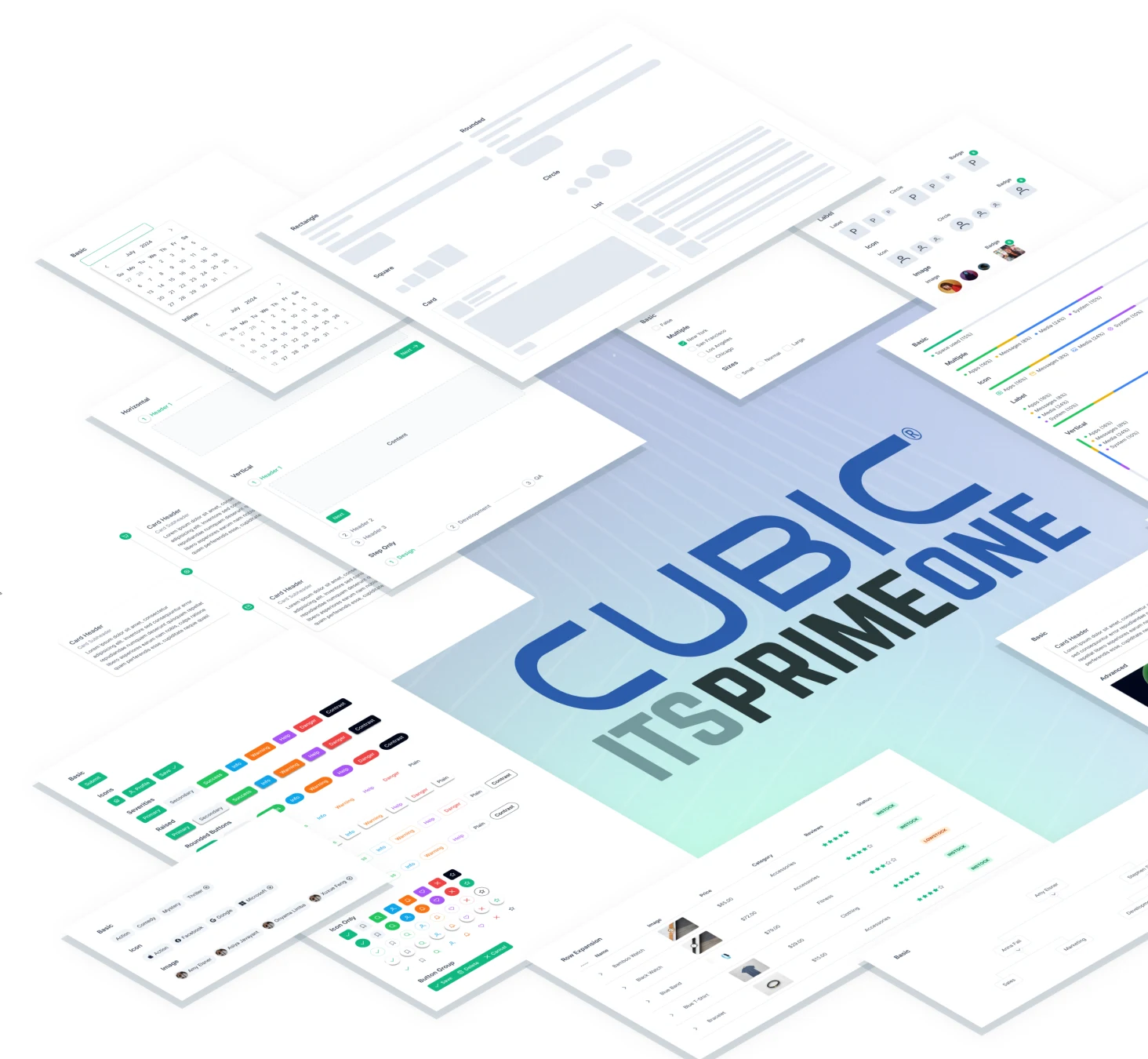
A token-based, themeable, developer-ready design system for enterprise ITS applications.

From component foundations to table behavior, interaction states, token governance, and handoff standards.

Read the full case study
Cubic ITS PrimeOne design system overview

Map-first UX · Network configuration · Enterprise ITS

Site Setup & Configuration

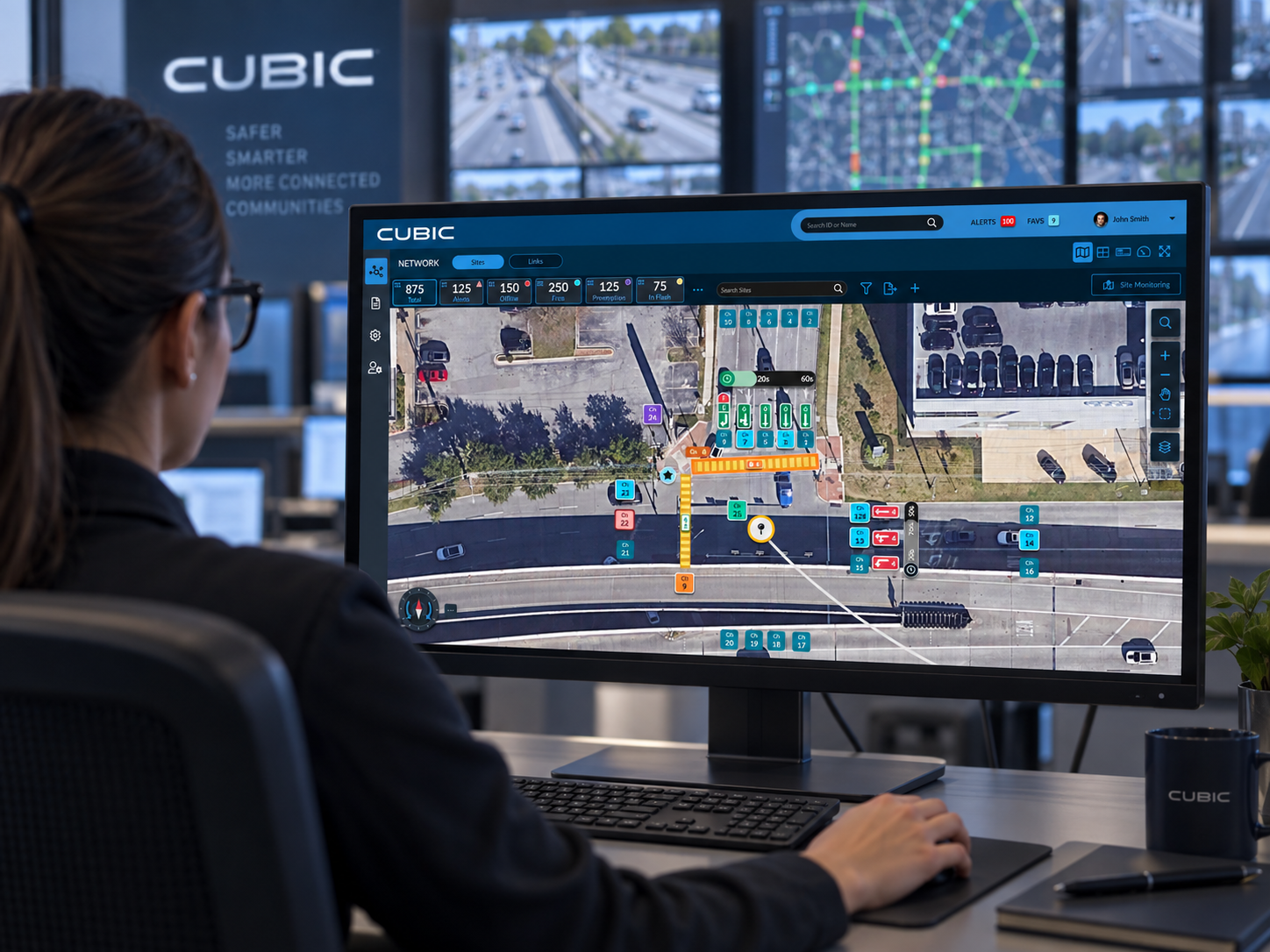
A map-first system for traffic teams to discover, create, configure, edit, and maintain the roadway sites and infrastructure that make up an operational transportation network.

Users can move from network-level search into progressively deeper configuration — defining sites, nodes, approaches, lanes, movements, controllers, devices, and detectors while preserving the geographic context that gives those elements meaning.

Map, table, and card views operate on the same underlying site model, while deeper database workflows give expert users direct access to structured engineering data when that is the faster way to work.

Case study in development

Traffic engineer using the Cubic map-first site configuration interface in a traffic operations center.

01 / Product role

Build the operational network model

Support both new-site creation and ongoing maintenance, from locating an intersection or corridor through defining the infrastructure and relationships that represent it.

02 / UX model

Contextual and progressively disclosed

Keep the map and surrounding network visible while exposing only the controls relevant to the selected site, node, lane, device, or other traffic element.

03 / System thinking

One model, multiple working modes

Map, table, card, and database workflows provide different ways to work with the same transportation configuration without fragmenting site data, state, or actions.

Platform context

Site Setup establishes the configured network that the broader ITS platform operates on — connecting spatial setup, structured engineering data, validation and publishing, and the transition into ongoing monitoring.

Flexibility for expert users

Users can move quickly with defaults and reusable configurations, then work at greater detail when real-world geometry, infrastructure, or engineering data demands deeper control.
Real-time operations · Traffic monitoring · Enterprise ITS

Real-Time Site Monitoring

A live operational workspace for traffic teams monitoring sites, intersections, controllers, devices, alerts, and network conditions across an active transportation system.

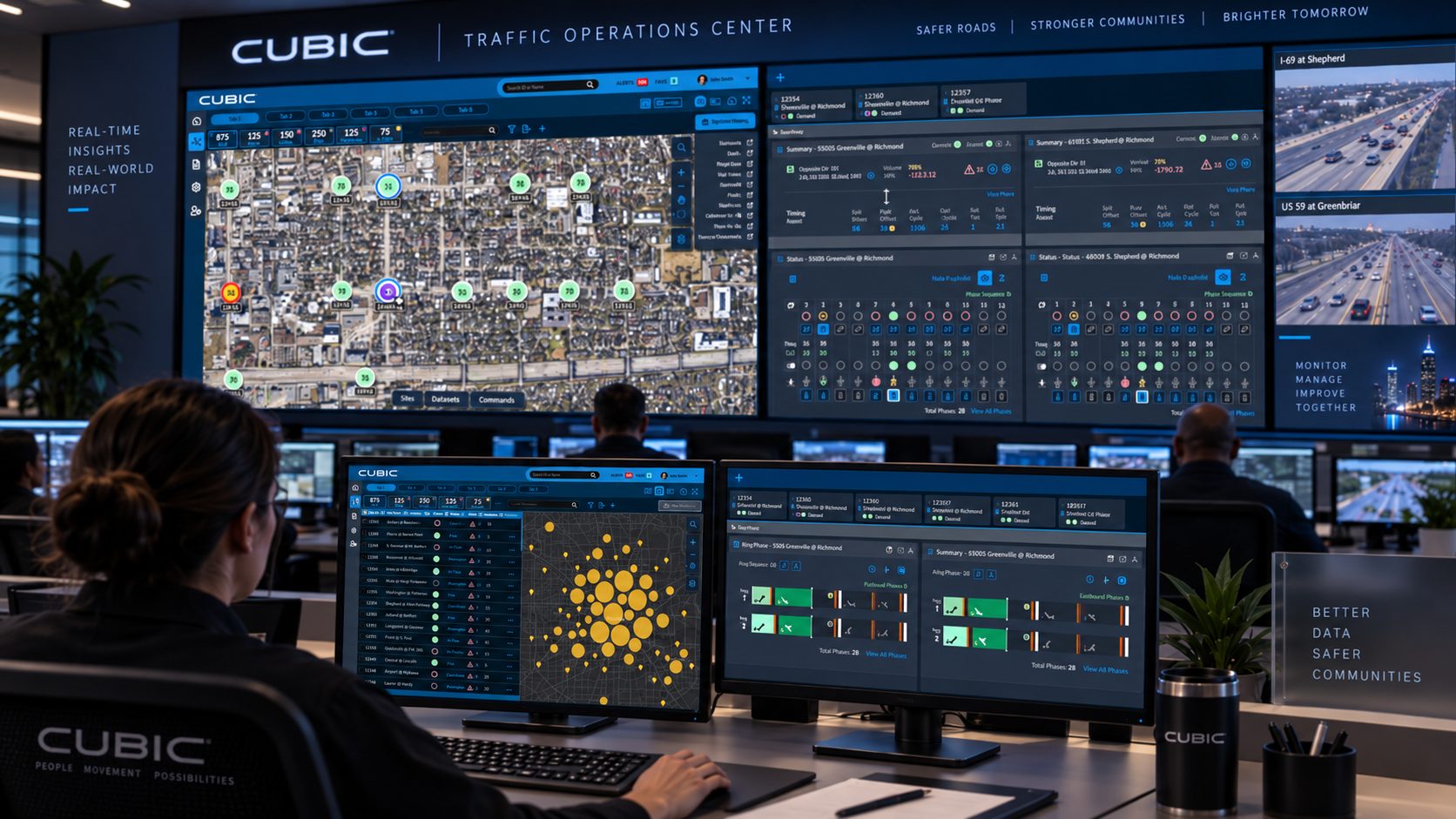
Operators can move from network-level map awareness into focused single-site or multi-site monitoring, combining live status, controller behavior, alerts, cameras, and specialized widgets without losing the geographic context of the roadway network.

The workspace is designed for real traffic-management environments where users may distribute monitoring views and detachable widgets across multiple displays, keeping different parts of the network and intersection behavior visible at the same time.

Case study in development

Cubic traffic operations center with real-time network monitoring displayed across a control-room video wall and operator workstations.

01 / Product role

Operate the configured network

Turn configured sites, devices, controllers, lanes, and other infrastructure into a live operational environment for monitoring, investigation, and intervention.

02 / UX model

From network awareness to live detail

Move from map-level status into single-site or multi-site monitoring, revealing the operational information, widgets, alerts, and controls needed for the current traffic condition.

03 / System thinking

A workspace built for simultaneous monitoring

Support maps, tables, cameras, controller status, and specialized monitoring widgets as coordinated views that can be arranged across the displays used in real traffic-management centers.

Platform context

Monitoring operates on the same transportation model established in Site Setup, while contextual actions and database shortcuts let users move from live operational state into deeper configuration or structured engineering data when needed.

See what matters, reveal what is needed

Critical operational information stays immediately available while deeper controller, phase, device, and site detail is progressively disclosed when an operator needs to investigate or act.